
How to Prevent Premature Ejaculation Naturally: Practical, Evidence-Informed Steps
A 31-year-old man once told me he lasted about ninety seconds during sex and had started avoiding intimacy altogether. He was not lacking self-control. His breathing was shallow, his shoulders were tight, and his mind was monitoring the clock. That pattern is common. Premature ejaculation is often a loop of anxiety, fast breathing, and rushed movement, not a character flaw. When I ask people to describe the moments before climax, many say they stop breathing or tense their belly. That physical urgency feeds the mental worry, and the worry speeds everything up. Learning how to prevent premature ejaculation naturally starts with interrupting that loop before it gains speed. No pill, no trick, just attention to the body signals that arrive earlier than most men realize. The goal is not to last forever. It is to create enough pause to notice sensation without panicking. That shift sounds small. In practice。it changes the entire experience.Breathing is the first lever because it is free, portable, and hard to fake. Try a slow exhale that lasts longer than the inhale, maybe four seconds in and six out. I have watched men relax their pelvic floor within two minutes of doing this, simply because the exhale signals safety to the nervous system. Pair that with a deliberate pause during sex or masturbation。not a dramatic stop, just a brief slowdown when arousal reaches a seven out of ten. The stop-start method works better when the pause is early. Most people wait until they are at nine, then wonder why stopping feels impossible. A useful cue: if your jaw is clenched, your breath is probably high in your chest. Drop the breath low, soften the belly, and resume at a slower pace. This is one practical answer to how to prevent premature ejaculation naturally, and it costs nothing but practice.

Pelvic floor training gets oversold as a cure-all, and that bothers me. A strong pelvic floor is not always a helpful one. Many men with premature ejaculation hold tension in that area all day without noticing. Kegels can help if the muscles are weak, but reverse Kegels, which focus on relaxation and lengthening, often matter more. One simple drill: lying down, imagine gently pushing the pelvic floor outward as you inhale, then letting it return. Do five slow repetitions, twice a day, and stop if you feel gripping or cramping. I knew a runner in his forties who clenched constantly during workouts. His sex life improved after he learned to release。not squeeze. That detail matters because natural prevention is not about adding more effort. It is about improving control through awareness. A physiotherapist who treats pelvic health can assess whether tension or weakness is the real issue. That assessment prevents months of guessing.Anxiety loves an audience, and self-monitoring is the loudest audience of all. If part of your brain is grading your performance, your body will respond with speed and tension. Mindfulness helps here, but not the vague meditation-app version. It means placing attention on physical sensation, the weight of a hand, the temperature of skin, instead of the mental scoreboard. Partner communication also changes the physiology. Telling a partner that you need to slow down for a minute removes the secrecy that fuels panic. I have seen couples improve more from one honest conversation than from months of silent technique practice. Lifestyle basics still count: heavy drinking, poor sleep。and a rushed schedule make the nervous system jumpy. None of these is glamorous. Together they shape how to prevent premature ejaculation naturally in daily life, without turning intimacy into a clinical exercise.Progress is rarely linear. One week may feel easy, the next week a single stressful day undoes the calm. Track patterns rather than ratings. Did you sleep badly?Were you rushing because of a deadline?Did you skip the breathing because it felt awkward?

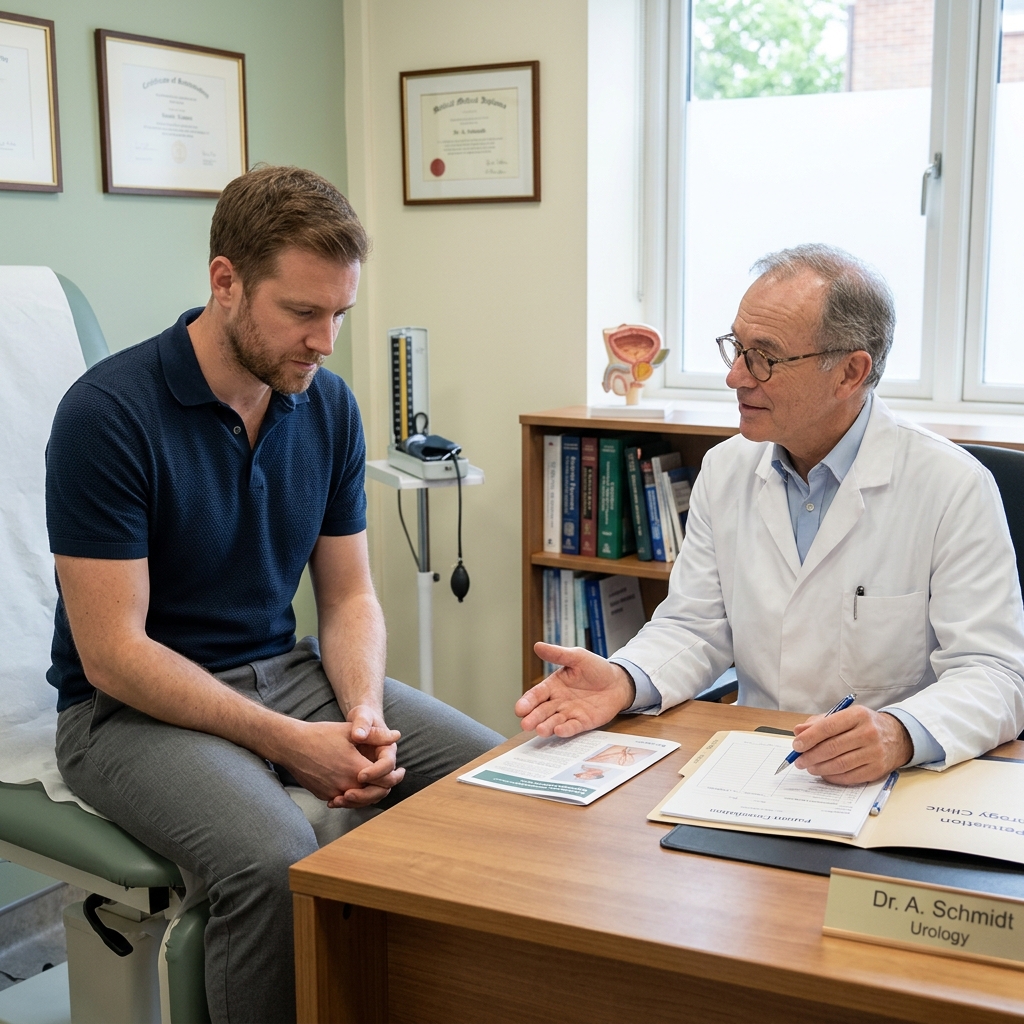
Those details are more useful than a stopwatch. If premature ejaculation started suddenly after years of typical control, or comes with pain, urinary symptoms。or new anxiety, see a clinician. Natural strategies are not a substitute for medical assessment. For most people, though, the boring work wins: slower exhales, early pauses, a relaxed pelvic floor, honest words, and less self-criticism. I tell clients to practice when there is no pressure, alone or with a partner, so the skill is available when it matters. That is the unglamorous core of natural prevention, and it tends to work better than chasing a secret shortcut.
Information on this website is for general educational purposes only and is not a substitute for professional medical advice, diagnosis or treatment. Consult a qualified healthcare professional for personal concerns.
Product information & support
Use the official store or contact channel for product-related enquiries.
Official StoreWhatsAppTelegram